


The History and Significance of Haram Jewellery: A Complete Guide
Reading Time: 10–12 mins read
Published : June 2026
Last Updated : Jul 2026
Written by : Bharathi Padiyar (Founder)
Founder Note
"Haram Jewellery is much more than a beautiful long necklace. It carries stories of tradition, craftsmanship and family celebrations that have been passed down through generations. While designs have evolved over time, the cultural significance of a Haram remains timeless. I hope this guide helps you appreciate not only its beauty but also the rich heritage behind every design."
- Bharathi Padiyar

What is Haram Jewellery?
Haram Jewellery is a timeless South Indian long necklace known for its elegance, craftsmanship, and cultural significance.
In this guide, you'll learn about the history of Haram Jewellery, its cultural significance, how it has evolved over time and the different styles that continue to preserve this timeless South Indian jewellery tradition.
Who Is This Guide For?
This guide is perfect for:
- Jewellery enthusiasts interested in South Indian traditions.
- Anyone curious about the history and evolution of Haram Jewellery.
- Buyers who want to understand different Haram styles before exploring detailed buying guides.
- Readers interested in the cultural significance of traditional jewellery.
Introduction
Haram Jewellery is a timeless part of South Indian tradition, admired for its elegance, craftsmanship, and cultural significance. Worn with silk sarees, lehengas, and other traditional outfits, it remains a popular choice for weddings, festivals, and special occasions.
Also known as Haaram in some regions, this long necklace reflects heritage, artistry, and royal charm. From handcrafted gold heirlooms once worn by royal families to today’s premium imitation designs, Haram Jewellery continues to be loved for its beauty and versatility. Temple Harams, Bridal Harams, and antique-inspired styles are among the most sought-after choices for traditional celebrations.
In this guide, you’ll learn about the history of Haram Jewellery, its cultural significance, the different types available, how to style it, and how to choose the perfect piece for every occasion.

Table of Contents
- What is Haram Jewellery?
- History of Haram Jewellery
- Cultural Significance
- Why Haram Jewellery Remains Popular
- Different Types of Haram Jewellery
- Choosing the Right Haram
- Jewellery Care Overview
- Key Takeaways
- FAQs
What is Haram Jewellery?
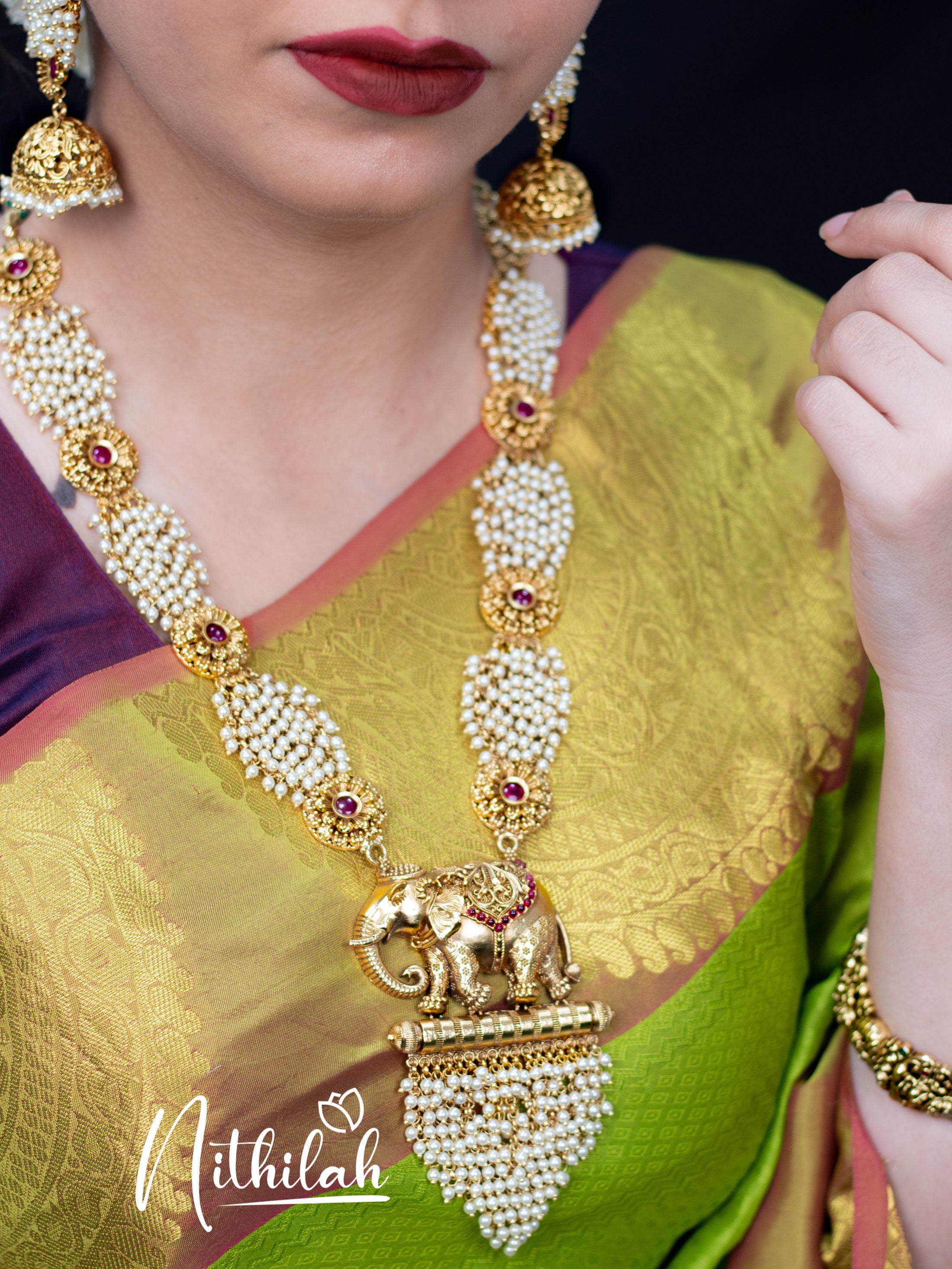
Haram Jewellery is a traditional long necklace that has been an important part of South Indian jewellery for centuries. Admired for its graceful length and intricate craftsmanship, it is often worn with silk sarees, bridal lehengas, and other ethnic outfits for weddings, festivals, and religious celebrations.
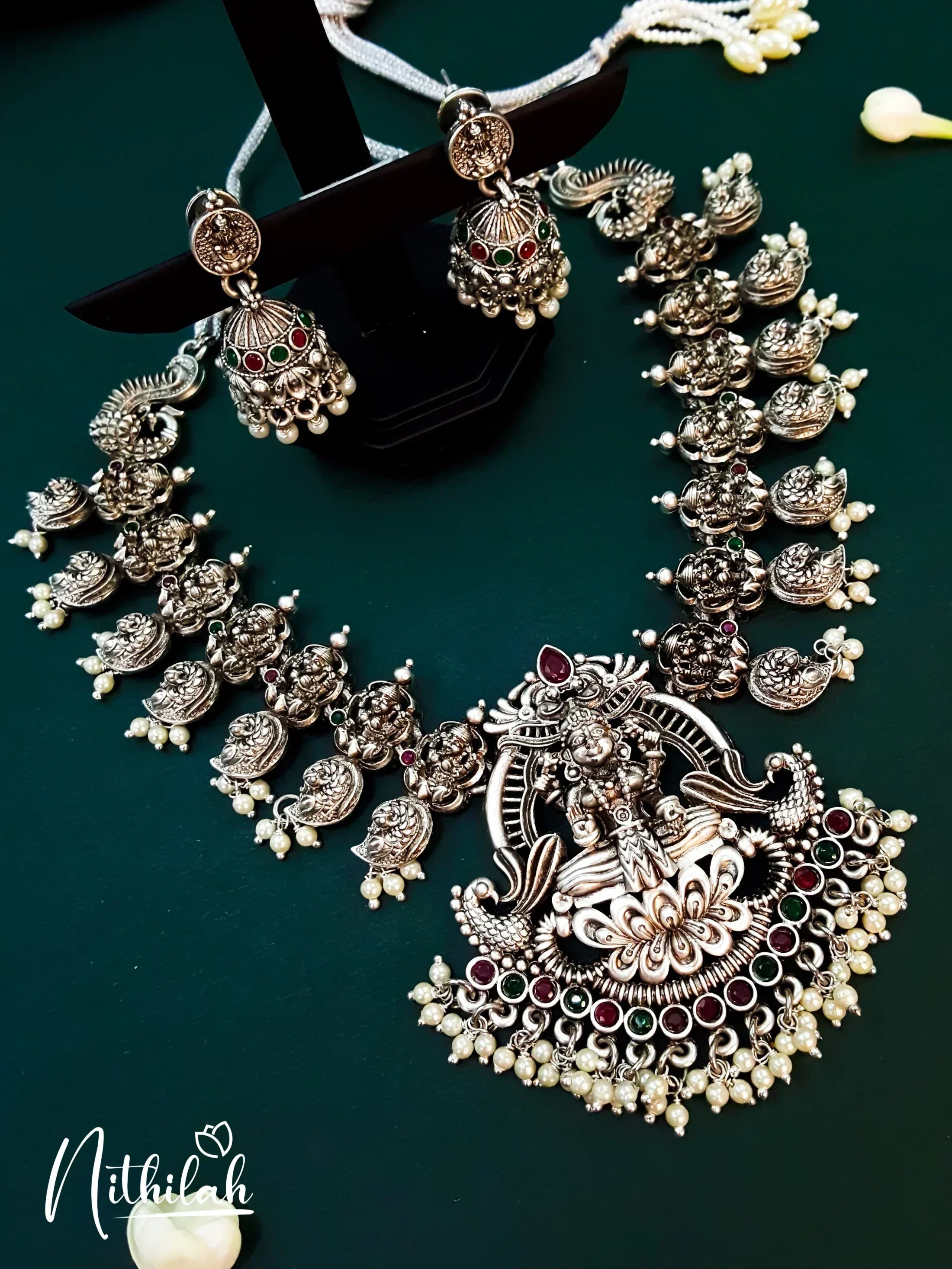
Unlike shorter necklaces or chokers, a Haram usually extends below the chest, creating a regal and elegant look. Depending on the design, it may feature Lakshmi motifs, temple-inspired carvings, floral patterns, peacocks, gemstones, or antique finishes that reflect India’s rich artistic heritage.
Today, Haram Jewellery is available in a wide range of styles, including Temple Haram, Bridal Haram, Antique Haram, and premium imitation designs, making it suitable for different occasions and budgets.

The History of Haram Jewellery
The history of Haram Jewellery is closely tied to South India’s rich cultural and artistic heritage. For centuries, long necklaces have been worn by queens, temple dancers, and brides as symbols of grace, prosperity, and celebration.
Ancient temple sculptures in Tamil Nadu, Karnataka, Andhra Pradesh, and Telangana often show women wearing long layered necklaces similar to today’s Temple Harams. Inspired by divine jewellery worn by Hindu deities, these designs gradually became an important part of bridal and ceremonial wear.
Over time, royal families and skilled artisans refined these necklaces with intricate carvings, handcrafted pendants, and precious stones. As jewellery-making techniques evolved, Haram designs became more elaborate while still preserving their traditional charm. Today, premium imitation Haram Jewellery makes these heritage-inspired styles accessible without the cost of solid gold.

Cultural Significance of Haram Jewellery
Haram Jewellery is more than an accessory — it reflects tradition, blessings, and celebration. For generations, it has remained an important part of bridal jewellery and festive wear because it represents elegance, cultural heritage, and family traditions.
During South Indian weddings, brides often wear multiple layers of necklaces, with the Haram serving as the statement piece that completes the bridal look. It is also worn for festivals such as Navaratri, Diwali, Pongal, and other religious celebrations.
For many families, a Haram symbolizes prosperity and becomes a treasured heirloom passed down through generations. Even today, imitation Haram Jewellery continues this legacy by offering beautiful designs inspired by timeless craftsmanship.
Why Haram Jewellery Continues to Be Popular
| Then | Today |
|---|---|
| Worn by queens and royal families | Loved by modern brides |
| Crafted in gold with precious stones | Available in premium imitation jewellery |
| Reserved for weddings and temple ceremonies | Worn for weddings, festivals and family functions |
| Symbol of prosperity and tradition | Blend of heritage and contemporary fashion |
Different Types of Haram Jewellery
Haram Jewellery is available in several distinctive styles, each reflecting different traditions, craftsmanship and design characteristics.
Here are some of the most popular types:
| Type | Best For | Style |
|---|---|---|
| Temple Haram | Weddings & religious ceremonies | Lakshmi motifs, antique finish |
| Bridal Haram | Wedding day | Heavy layered designs with matching earrings |
| Antique Haram | Festivals & family events | Vintage-inspired craftsmanship |
| Stone Haram | Receptions & parties | Colourful gemstones and elegant detailing |
| Lightweight Haram | Casual festive wear | Comfortable, versatile and easy to style |
💎 Stylist's Tip
If you're wearing a heavily embroidered silk saree, choose a Temple Haram with matching jhumkas for a classic South Indian bridal look. For receptions or designer outfits, opt for a lightweight stone Haram that adds elegance without overwhelming your attire.
👉For receptions or designer outfits, explore our American Diamond Jewellery Collection for elegant contemporary designs.
Temple Haram vs Bridal Haram
Temple Harams and Bridal Harams are among the most recognised styles of Haram Jewellery, each reflecting South India's rich jewellery heritage in a unique way. Temple Harams are inspired by traditional temple artistry and cultural motifs, while Bridal Harams are created to make a grand statement during wedding celebrations. Both preserve the timeless elegance of the Haram while serving different styling preferences and occasions.
🔗 Want to understand which style suits your wedding or celebration? Read our complete guide: Choosing the Perfect Bridal Haram.

Haram vs Necklace: What's the Difference?
Although both are worn around the neck, a Haram is traditionally designed as a long statement necklace with deep cultural significance, while the term "necklace" refers to a much broader range of jewellery styles available in different lengths and designs. Understanding this distinction helps you appreciate the unique place Haram Jewellery holds in South Indian tradition.
🔗 Want a detailed comparison? Read our guide: Haram vs Necklace: Understanding the Differences.

Styling a Haram
One of the reasons Haram Jewellery has remained popular for generations is its remarkable versatility. Whether worn for weddings, festivals or family celebrations, a Haram adds elegance and cultural richness to traditional attire. The ideal styling depends on the occasion, outfit and the jewellery pieces you choose to pair together.
🔗 Looking for practical styling ideas? Explore our complete guide: 5 Ways to Style a Long Haram for Work & Everyday Wear.

📚 Related Reading
- How to Style Your Necklace with Different Outfits
- Why Kundan Jadau Jewellery is So Popular
- Choosing the Perfect Haram for Your Wedding Day
Choosing the Right Haram
Choosing the right Haram Jewellery involves balancing tradition, comfort and craftsmanship. Rather than focusing only on appearance, consider how the design complements your personal style, the quality of the finishing and the overall comfort during extended wear. Paying attention to these details helps you select a Haram that remains elegant and enjoyable for years.
Before You Buy
✔ Choose a design that matches your personal style.
✔ Check the craftsmanship, polish and finishing.
✔ Ensure the pendant and chain feel balanced.
✔ Select a comfortable length for your neckline and outfit.
✔ Choose secure hooks and clasps for better durability.

Before purchasing, consider the following factors.
✔ Consider the Necklace Length
The length of your Haram plays an important role in creating a balanced look.
- Short Harams pair well with layered jewellery.
- Long Harams create a regal bridal appearance.
- Medium-length Harams are versatile for festive occasions.
Choose a length that complements your outfit and neckline.
✔ Pay Attention to Craftsmanship
A well-crafted Haram should have:
- Neatly finished edges.
- Securely set stones.
- Balanced pendant placement.
- Comfortable weight.
- High-quality polish.
Superior craftsmanship enhances both the appearance and durability of the jewellery.
🔗 Looking for a detailed buying guide? Read: Choosing the Perfect Bridal Haram.
✔ How to Identify Good Quality Haram Jewellery
Not every Haram offers the same level of craftsmanship.
Before purchasing, check for:
✔ Symmetrical design
✔ Secure stone setting
✔ Smooth polish
✔ Comfortable weight
✔ Strong hooks and clasps
✔ Fine detailing around motifs and pendants
High-quality imitation Haram Jewellery should closely resemble traditional handcrafted jewellery while remaining lightweight and comfortable for long hours of wear.
Jewellery Care Tips
Proper care helps preserve the beauty and finish of your Haram Jewellery. Store each piece separately, avoid exposure to perfumes and moisture, and gently wipe it with a soft cloth after every use. Simple care habits can help maintain its elegance for years.
Frequently Asked Questions
What is a Haram in jewellery?
A Haram is a traditional long necklace widely worn in South Indian weddings, festivals and religious ceremonies. It is admired for its graceful length, intricate craftsmanship and timeless elegance.
Why is Haram Jewellery popular?
Haram Jewellery combines cultural heritage with elegant design, making it one of the most popular jewellery choices for brides and festive occasions.
What is the difference between a Haram and a necklace?
A Haram is longer and more traditional, while a necklace is generally shorter and suitable for everyday or contemporary wear.
Can imitation Haram Jewellery look like real gold?
Yes. Premium imitation Haram Jewellery is crafted with intricate detailing and high-quality finishes that closely resemble traditional gold jewellery.
Which outfit looks best with a Haram?
Temple Harams pair beautifully with silk sarees, while Bridal Harams complement lehengas, wedding sarees and designer ethnic wear.
Can Haram Jewellery be layered?
Absolutely. A Haram looks elegant when paired with a choker or a mid-length necklace, especially for weddings and grand celebrations.
Key Takeaways
✔ Haram Jewellery is a timeless symbol of South Indian tradition.
✔ Temple Harams and Bridal Harams serve different styling purposes.
✔ Haram Jewellery has evolved from royal and temple traditions into modern jewellery collections.
✔ Different Haram styles preserve traditional craftsmanship while offering contemporary design choices.
✔ Understanding the heritage behind Haram Jewellery helps you appreciate its timeless appeal.
Why Choose Nithilah?
At Nithilah, we celebrate South India's rich jewellery heritage through thoughtfully curated collections inspired by timeless traditions.
Whether you're shopping for a traditional Temple Haram, an elegant Bridal Haram or a lightweight imitation long necklace, explore Nithilah's carefully curated collection and find a design that beautifully complements your next celebration.
- Temple Jewellery
- Bridal Jewellery
- Haram Collection
- Long Necklaces
- Antique Jewellery
- Premium Imitation Jewellery
Each design reflects exceptional craftsmanship, elegant detailing and timeless beauty.
Related Blogs
Continue exploring our jewellery guides:
- How to Style Your Necklace with Different Outfits
- Choosing the Perfect Haram for Your Wedding Day
- Haram vs Necklace: Understanding the Differences
- Why Kundan Jadau Jewellery is So Popular
- How to Pair Oxidised Jewellery with Indian Wear
Explore Our Collections
- Temple Haram Collection
- Bridal Jewellery Collection
- Long Necklace Collection
- Antique Jewellery Collection
Final Thoughts
Haram Jewellery is more than a beautiful long necklace — it reflects South India’s rich tradition, artistry, and timeless elegance. Whether worn for weddings, festivals, or family celebrations, a Haram adds grace and cultural significance to every outfit.
From traditional Temple Harams to modern imitation designs, today’s collections offer something for every style and occasion. By choosing a Haram that complements your outfit and reflects your personality, you can enjoy a jewellery piece that remains timeless for years to come.
Ready to Find the Perfect Haram?
Explore Nithilah's exclusive collection of Temple Harams, Bridal Harams, Long Necklaces and premium imitation jewellery designed for weddings, festivals and traditional celebrations.
Discover elegant designs inspired by South Indian heritage and find the perfect Haram to complete your next special occasion look.


