
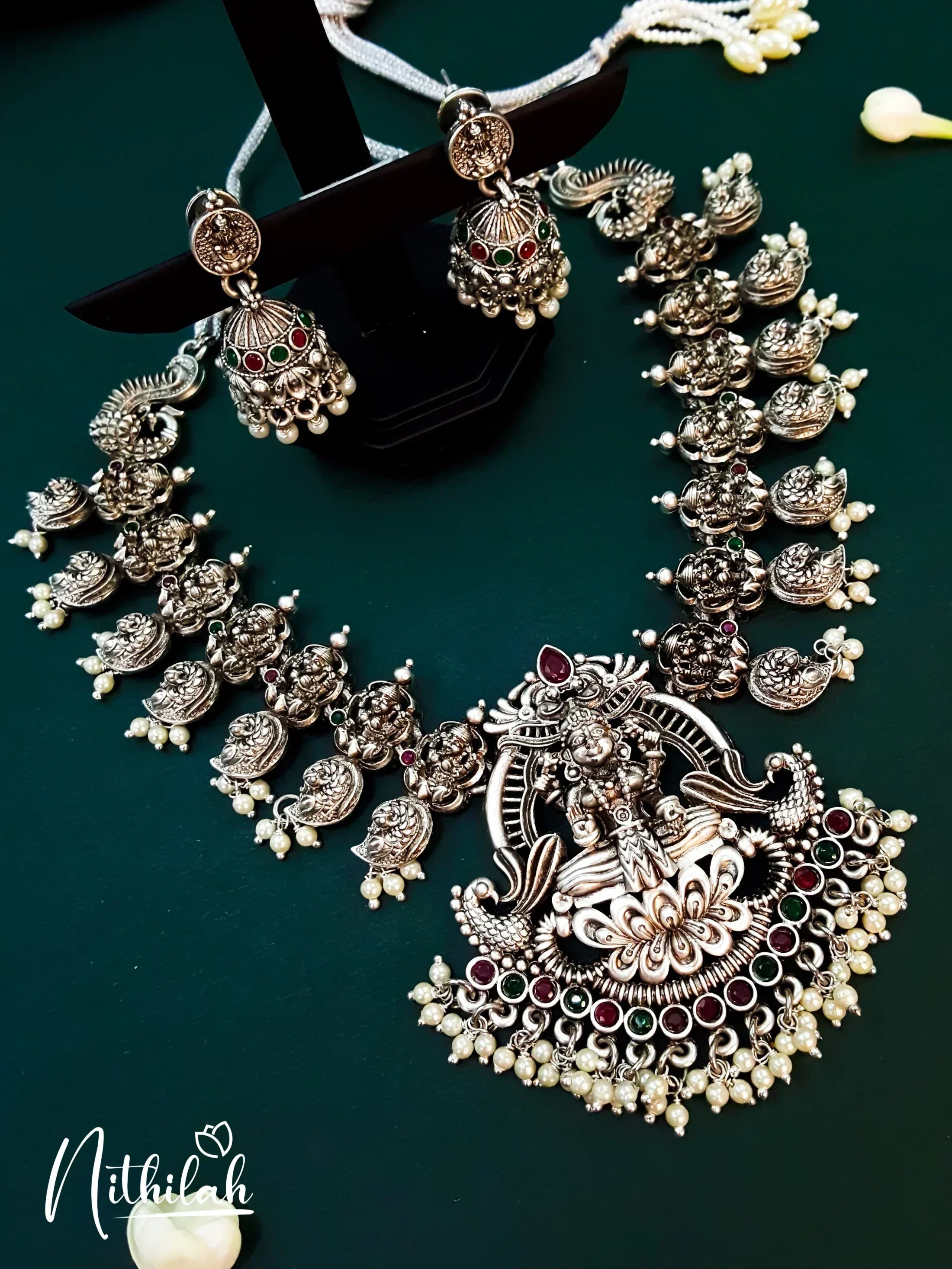
The History and Beauty of Temple Jewellery: From Royal Deities to Modern Wardrobes
There is something deeply spellbinding about walking into a festive room wearing a piece of classic Temple jewellery. The deep, antique gold tones, the intricate depictions of divine figures, and the rich clusters of red and green stones carry an unmistakable air of royalty.
Today, temple jewellery stands as one of the most beloved styles for Indian brides and festive celebrations. But its journey didn’t start in a modern bridal boutique. To truly appreciate its beauty, we have to travel back over a thousand years into the historic heart of Southern India.
If you love adding pieces packed with history, elegance, and culture to your collection, let's explore why artificial imitation jewellery inspired by temple designs has captured hearts for generations.

Shop Now: Click here
The Sacred Origins: Adorning the Gods
Temple jewellery originated during the golden eras of the Chola, Pallava, and Pandya dynasties, roughly around the 9th century. Initially, this jewellery wasn't made for humans at all.
Skilled royal artisans were commissioned to craft incredibly elaborate, heavy gold ornaments intended exclusively to decorate the stone idols and deities inside grand South Indian temples.
Over time, temple dancers (devadasis) who performed sacred routines within the temple walls began wearing replicas of these divine ornaments. As the dance forms evolved and moved from temples to royal courts, the jewelry caught the attention of kings and queens, eventually becoming a symbol of royal status and a staple heirloom for everyday families.
Anatomy of a Classic Temple Piece
What makes temple jewelry instantly recognizable is its meticulous craftsmanship. Traditional designs rely heavily on two iconic elements:
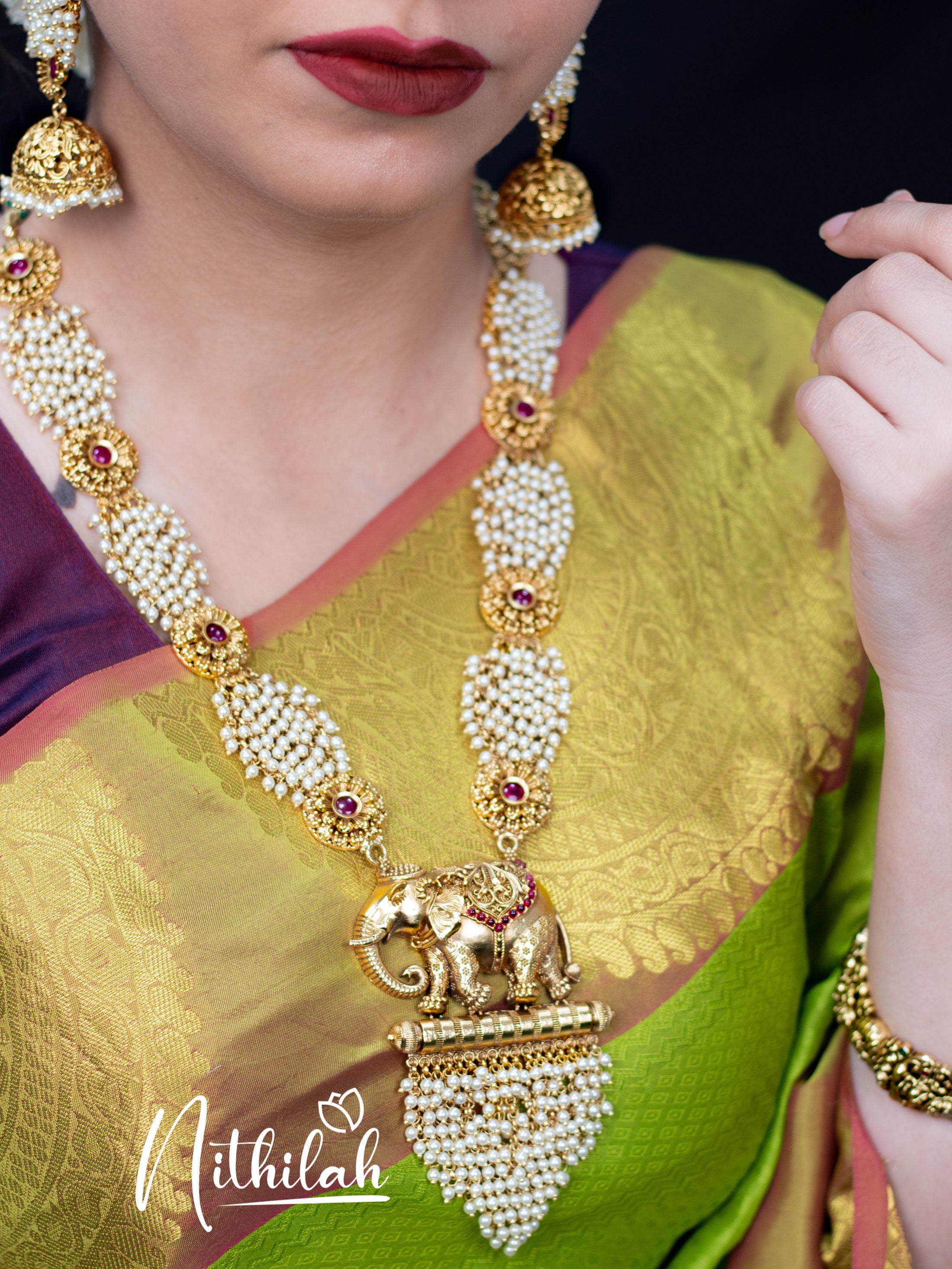
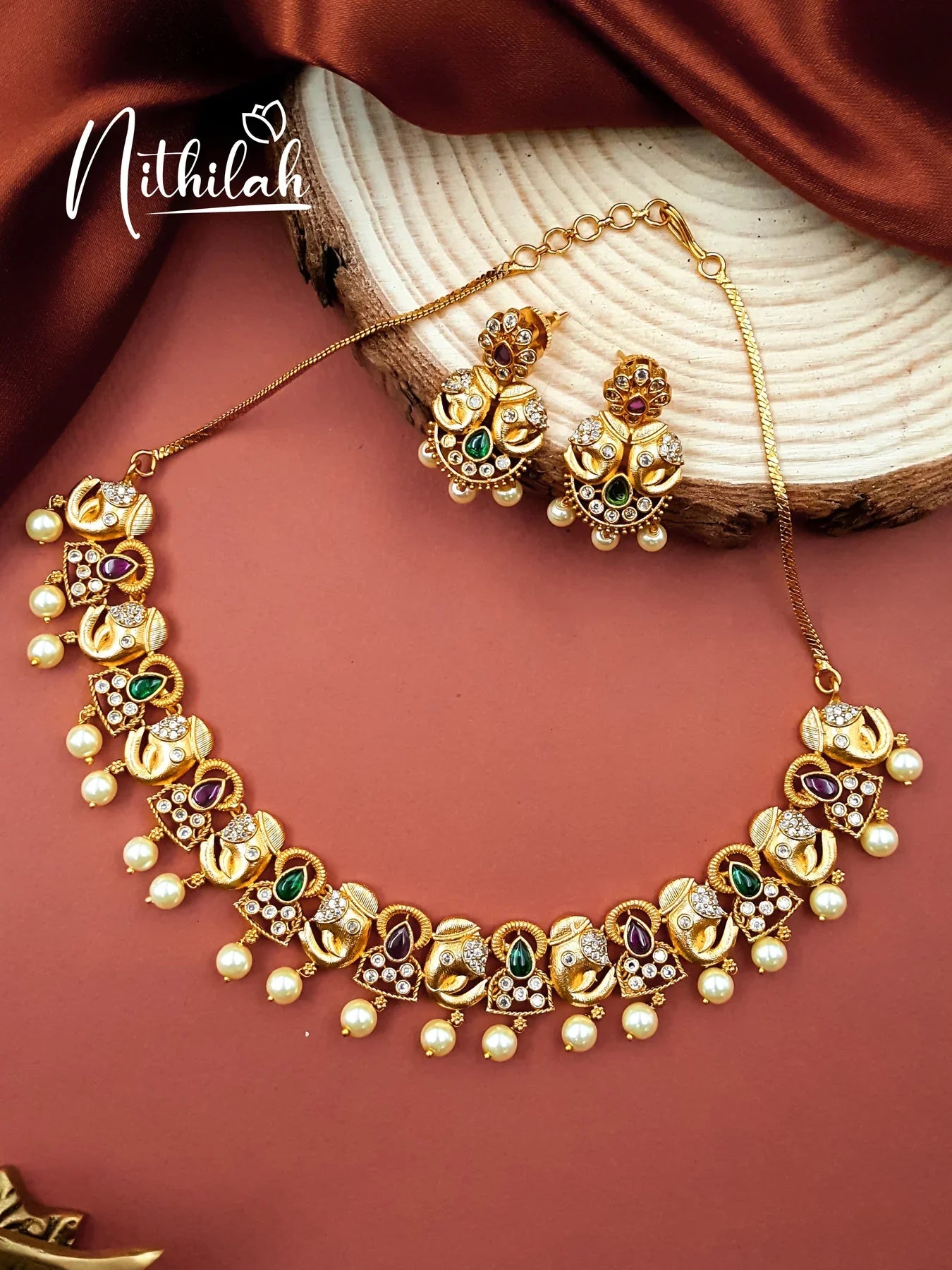
- The Motifs: The artwork is deeply symbolic. You will most commonly see Goddess Lakshmi (symbolizing wealth and prosperity) seated on a lotus, Lord Ganesha (the remover of obstacles), graceful peacocks, royal elephants, and delicate floral vines.
- The Stones: Classic temple designs are incomplete without vibrant red and green Kemp stones. These stones provide a striking, colorful contrast against the deep, antique metallic gold base.
The Modern Revival: Making Royalty Accessible
Historically, owning authentic temple jewelry meant investing massive amounts of wealth into solid gold and precious gems. Because the designs require heavy, solid metalwork to hold the detailed carvings (Nakshi work), real gold pieces can become incredibly heavy to wear and prohibitively expensive.
This is where premium artificial imitation jewellery has completely revolutionized modern fashion.
By utilizing high-quality base metals, antique polish techniques, and expert manufacturing, brands like Nithilah bring you the exact majestic weight, flawless stone settings, and deep cultural roots of traditional designs at incredibly affordable jewellery prices. You no longer have to save a piece just for your wedding day—you can confidently flaunt a stunning temple set at a local festival, a family puja, or a friend's baby shower.
Style Inspiration: How to Wear Temple Jewellery Today
- The Traditional Way: Pair a bold, long Temple Haram with a classic Kanjivaram or silk saree. Let the coin-work (Kasu Mala) or mango-shaped frames (Manga Malai) drop elegantly over the rich zari borders.
- The Fusion Twist: Want to stand out? Wear a statement temple choker with a modern boat-neck crop top and a flared lehenga skirt, or style a pair of heavy temple Jhumkas with a simple, elegant solid-color Anarkali suit.
Frequently Asked Questions
Why is imitation jewellery used for traditional events?
Traditional events call for grand, intricate, and often heavy statement designs. Using high-quality artificial imitation jewellery allows you to wear magnificent, detailed temple necklaces, harams, and matching bangles comfortably without the heavy security concerns or massive financial investments associated with real gold.
What is the difference between antique finish and temple jewellery?
While the terms are often used interchangeably, "antique finish" refers to the darkened, vintage metallic polish given to the jewellery to make it look aged and rustic. Temple jewellery, on the other hand, specifically refers to pieces featuring divine motifs (like Goddess Lakshmi, peacocks, or temple architecture) and traditional red and green stone settings. Most temple jewelry features an antique or matte finish to bring out the depth of its carvings.
How do I care for my artificial temple jewellery?
To keep your affordable jewellery looking brand new for years, keep it away from direct moisture, perfumes, and hairsprays. Always wipe your pieces gently with a soft cotton cloth after wearing them to remove sweat, and store them securely in an airtight plastic pouch or zip-lock bag. Never store them in velvet boxes, as the fabric lint can trap moisture and tarnish the polish.


