


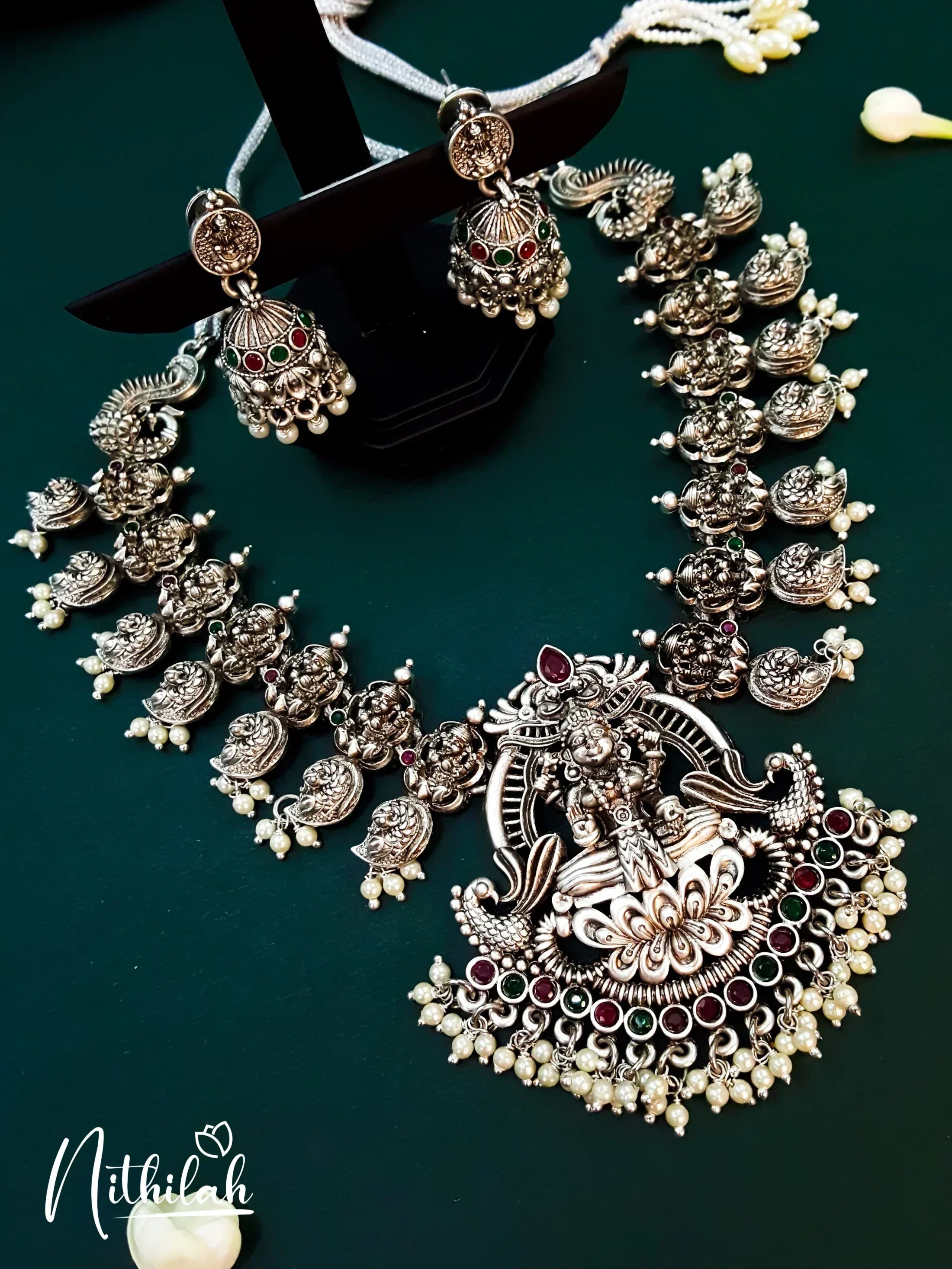
How to Layer Traditional Jewellery Like a Queen - Ultimate Guide
Reading Time: 8–9 mins
Published: May 2026
Last Updated: August 2026
Written by: Bharathi Padiyar (Founder)
Founder Note
One beautifully layered jewellery look often creates a stronger impression than wearing many individual pieces. At Nithilah, we've helped customers style necklaces for weddings, festivals and family celebrations, and we've learned that the secret isn't owning more jewellery—it's knowing how to combine each piece with confidence. I hope this guide helps you create elegant layered looks that feel timeless, balanced and uniquely yours.
- Bharathi Padiyar
Table of Contents
- Introduction
- Quick Overview
- The Golden Rule: The Two-Length Layering Formula
- Mixing Jewellery Styles & Textures
- Matching Layered Jewellery with Different Necklines
- Layering Jewellery for Different Occasions
- Common Layering Mistakes to Avoid
- Layered Jewellery Combination Comparison
- Layering Checklist
- Frequently Asked Questions
- Final Thoughts
Introduction
Layering traditional jewellery has always been a symbol of grace, elegance and royal Indian heritage. Whether you admire the timeless beauty of South Indian Temple Jewellery or the sophisticated sparkle of modern Kundan and American Diamond designs, layering allows you to transform individual pieces into one beautifully coordinated statement.
The secret isn't wearing the most jewellery—it's creating harmony. Thoughtfully combining different necklace lengths, textures and styles adds depth without making your look feel heavy or overwhelming. When done well, layered jewellery naturally draws attention to your outfit, enhances your neckline and creates a refined appearance that feels effortlessly luxurious.
From weddings and festive celebrations to family functions and reception parties, mastering the art of jewellery layering helps you make the most of the pieces you already own while giving every outfit a fresh, elegant look.
In this guide, you'll learn how to layer traditional jewellery with confidence, avoid common styling mistakes and create balanced combinations that suit different necklines, occasions and personal styles.

⭐ Quick Overview
Layering traditional jewellery is about balance rather than quantity. By combining necklaces of different lengths, coordinating finishes and choosing combinations that suit your outfit, you can create elegant looks that feel timeless instead of overcrowded.
In this guide, you'll discover:
✔ The easiest way to layer chokers and Long Harams.
✔ How to mix Temple Jewellery, Kundan and American Diamond styles.
✔ Which necklines work best with layered jewellery.
✔ Common layering mistakes and how to avoid them.
✔ Styling ideas for weddings, festivals and family celebrations.
💡 Did You Know?
Many royal Indian queens traditionally wore jewellery in carefully planned layers rather than randomly stacking necklaces. A close-fitting choker, a mid-length necklace and a graceful Long Haram created depth, symmetry and a regal silhouette—an approach that still inspires modern bridal and festive styling today.
📖 Related Guide: How to Balance Jewellery with Indian Outfits
🛍️ Explore Collection
1. The Golden Rule: Building Beautiful Jewellery Layers
One of the easiest ways to create a beautifully layered jewellery look is by following a simple principle: combine two necklaces of noticeably different lengths. This creates visual depth, prevents the pieces from overlapping and allows each necklace to stand out on its own.
Instead of wearing several necklaces that sit at almost the same height, think of your jewellery as telling a story from top to bottom. The necklace closest to your neckline naturally draws attention to your face, while the longer piece adds elegance, movement and a graceful finishing touch.
For most traditional outfits, this simple two-length combination is enough to achieve a sophisticated layered look without making your styling feel heavy or crowded.

⭐ The Ideal Combination
Layer 1 – The Choker (The Focal Point)
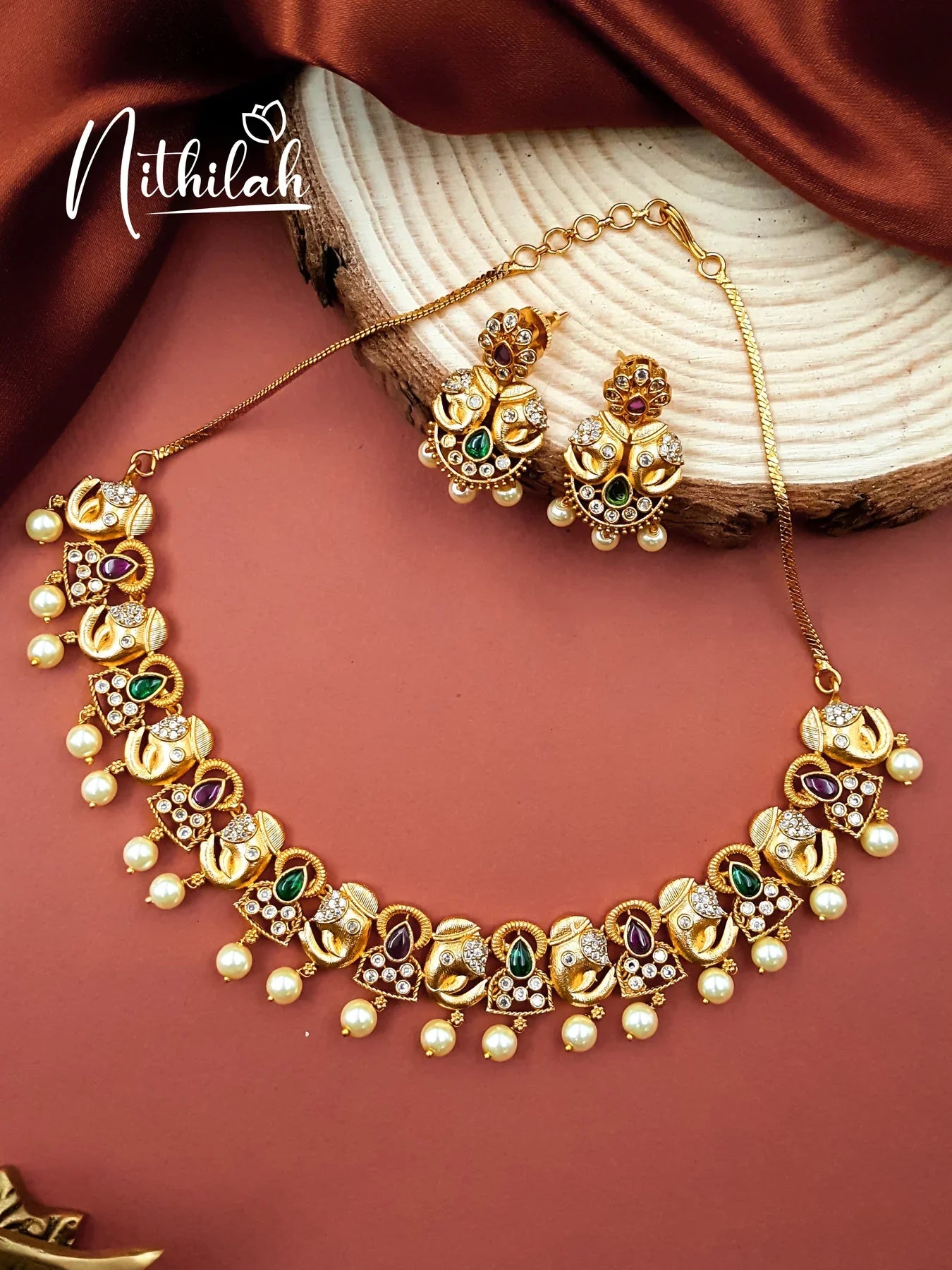
A choker or close-fitting necklace frames your face and highlights the neckline of your saree or blouse. It creates the visual starting point of your jewellery styling and works beautifully with silk sarees, lehengas and festive outfits.
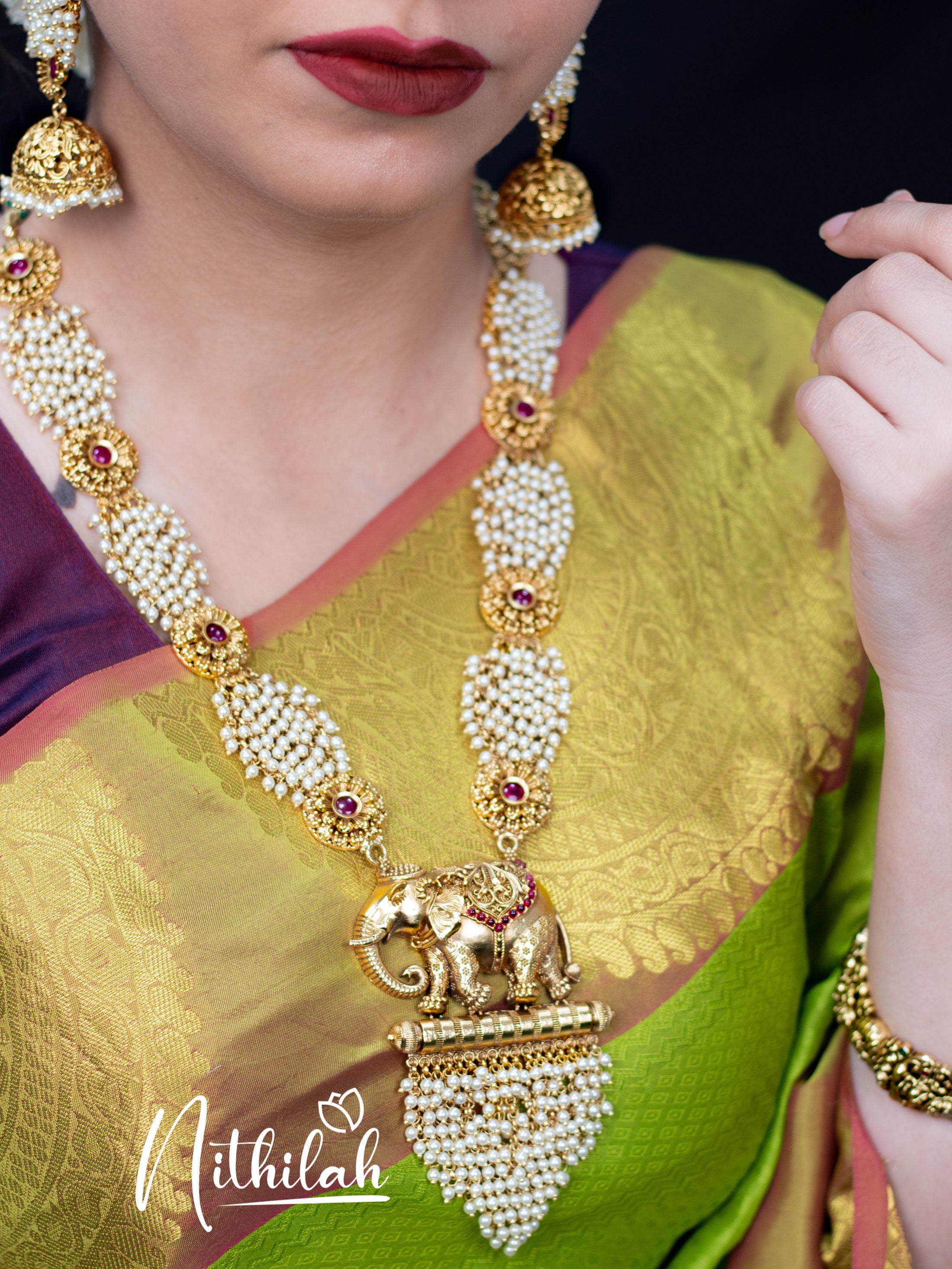
Layer 2 – The Long Haram (The Statement Piece)
A Long Haram extends the overall silhouette and creates a graceful flow through the outfit. Because it sits well below the choker, each necklace remains clearly visible while adding richness and depth to the overall appearance.
💡 Why This Formula Works
✔ Creates clear separation between each necklace.
✔ Prevents jewellery from appearing tangled or crowded.
✔ Makes your neckline appear longer and more elegant.
✔ Allows both necklaces to remain individually visible.
✔ Works beautifully for weddings, festivals and traditional celebrations.
💎 Pro Styling Tip
Whenever possible, choose necklaces with adjustable thread cords (taris) rather than fixed metal clasps. Adjustable lengths allow you to fine-tune the spacing between each necklace, helping you create balanced layers that suit different necklines and outfits.
🚫 Avoid These Mistakes
- Wearing two necklaces of almost identical length.
- Allowing one pendant to rest directly on top of another.
- Choosing oversized statement pieces for every layer.
- Ignoring your blouse or outfit neckline.
- Layering necklaces that constantly tangle while moving.
📖 Related Guide
How to Choose the Right Jewellery for Every Neckline

2. Play with Textures and Styles
Beautiful jewellery layering isn't about wearing identical pieces—it's about creating contrast while maintaining harmony. Mixing different jewellery finishes, textures and traditional styles adds depth to your look and makes the overall styling feel more intentional.
The key is to let one jewellery style become the hero while the others support it. Instead of combining several bold statement pieces, choose combinations that complement each other in colour, finish and craftsmanship.
Temple Jewellery + Antique Finish
Temple Jewellery and antique-finish jewellery naturally complement each other because they share a rich heritage-inspired aesthetic. Pairing a detailed Temple Jewellery choker with an antique-finish Long Haram creates a timeless layered look that's perfect for weddings, religious ceremonies and festive celebrations.
✨ Why It Works
- Both styles share warm antique gold tones.
- Temple motifs blend beautifully with traditional craftsmanship.
- Creates a graceful royal-inspired appearance without looking overdone.
💡 Styling Tip
Let the Temple Jewellery choker remain the focal point while choosing a slightly simpler Long Haram to maintain visual balance.

American Diamond + Kundan
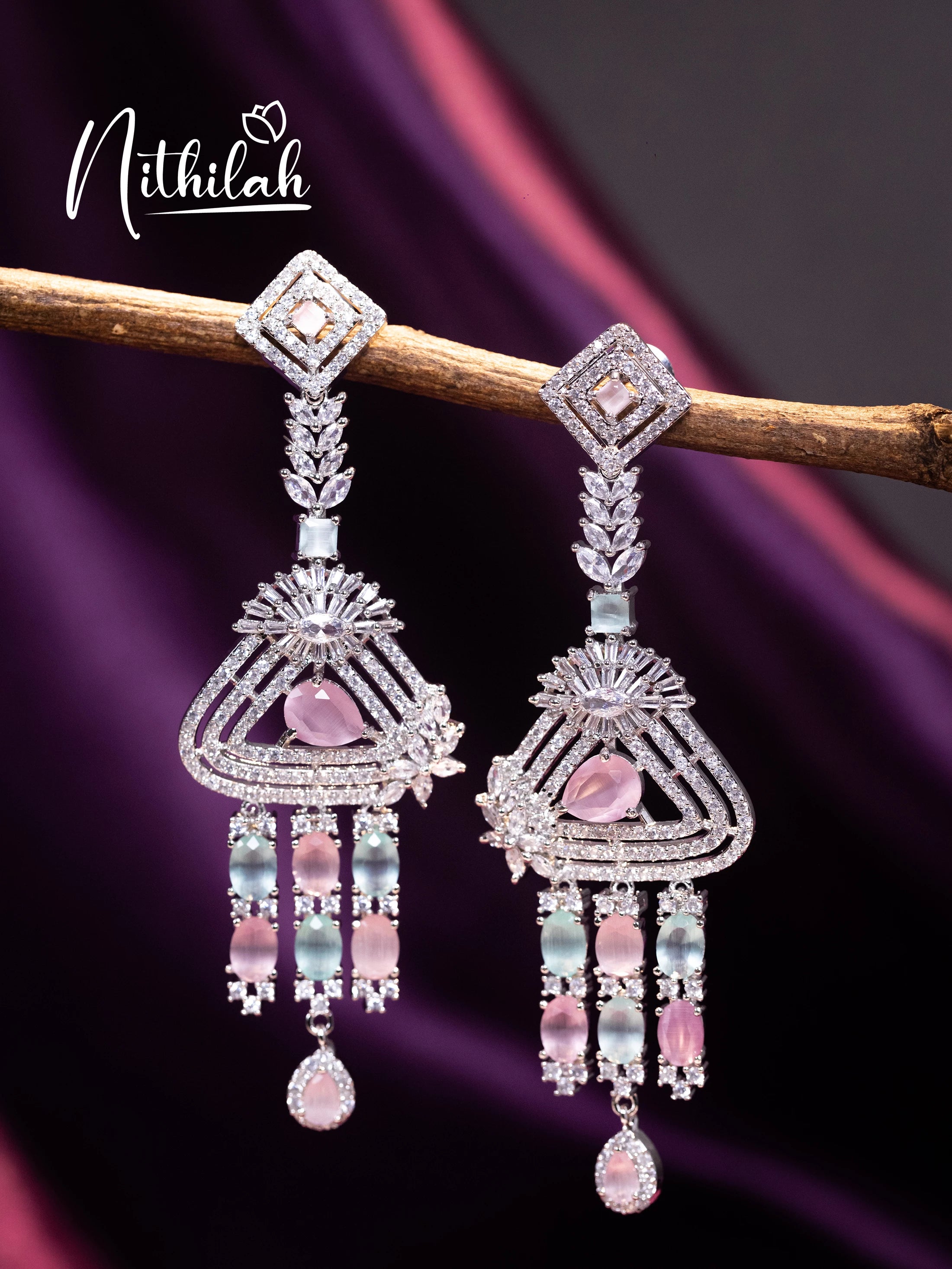
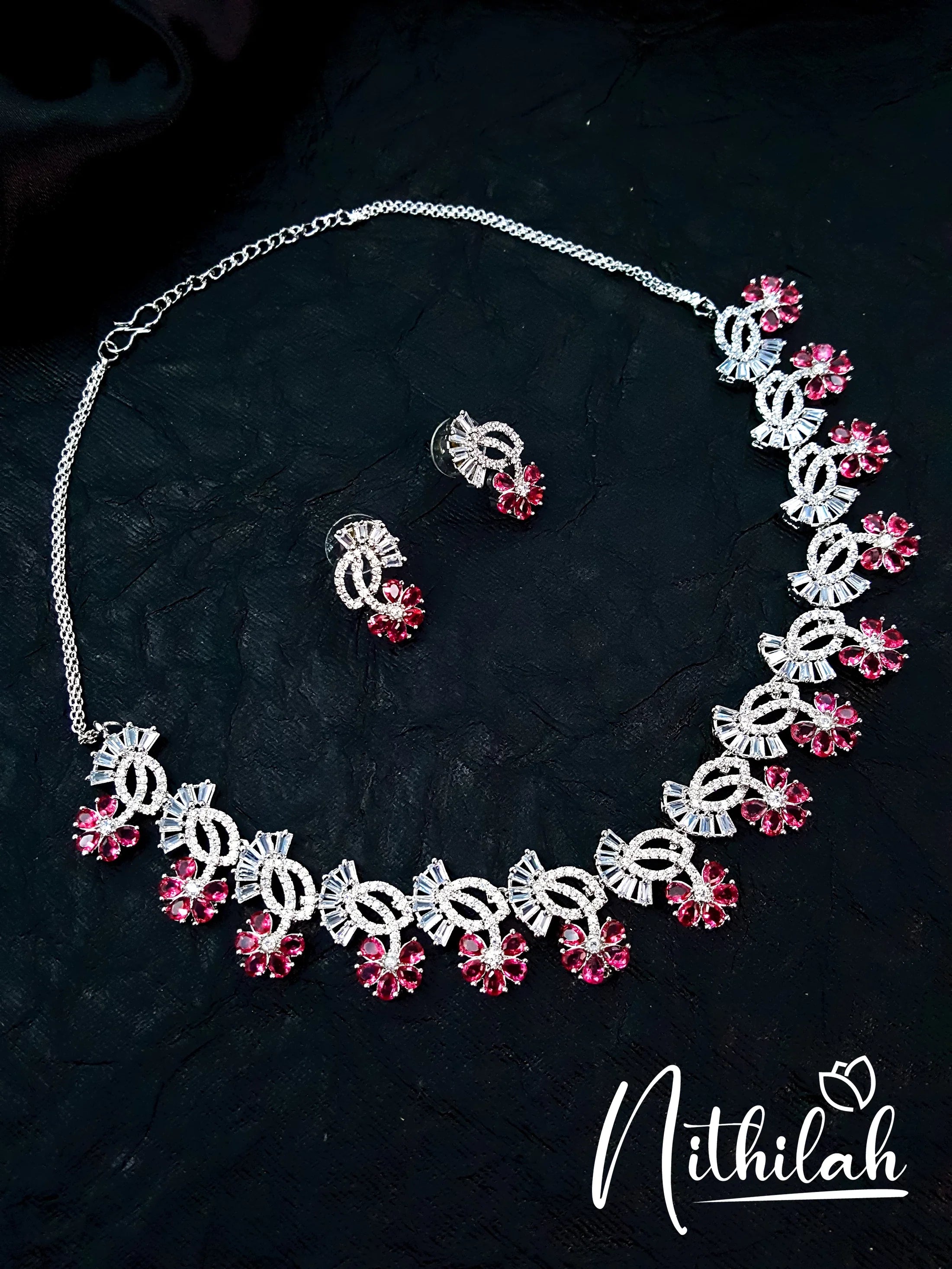
For receptions and evening functions, American Diamond and Kundan jewellery create an elegant combination of sparkle and sophistication. A delicate American Diamond choker layered with a longer Kundan necklace offers depth while reflecting light beautifully.
✨ Why It Works
- Contrasting textures create visual interest.
- Perfect for gowns, reception sarees and contemporary festive outfits.
- Looks luxurious without appearing overly traditional.
💡 Styling Tip
Choose similar stone colours across both necklaces to create a cohesive appearance.

Matte Finish + Long Haram
Matte-finish jewellery offers understated elegance that pairs beautifully with statement Long Harams. This combination works especially well with silk sarees and handloom fabrics, allowing the longer necklace to become the centre of attention.
✨ Why It Works
- Matte finishes soften the overall look.
- The Long Haram adds length and elegance.
- Ideal for traditional family functions and temple visits.
💡 Styling Tip
Keep earrings moderately sized to avoid competing with the layered necklaces.
Oxidised Jewellery Layering
Oxidised jewellery isn't just for casual wear—it can also be layered beautifully for boho-inspired ethnic styling. Combining an oxidised choker with a longer oxidised necklace creates an effortless look for cotton sarees, linen kurtas and Indo-western outfits.
✨ Why It Works
- Creates texture without relying on gemstones.
- Perfect for handcrafted and contemporary ethnic fashion.
- Comfortable enough for everyday wear.
💡 Styling Tip
Avoid mixing oxidised jewellery with bright gold-tone pieces. Keeping the finish consistent creates a cleaner and more polished appearance.
🚫 Avoid These Layering Mistakes
❌ Mixing too many jewellery finishes in one look.
❌ Combining several oversized statement necklaces.
❌ Pairing heavily embellished earrings with multiple bold necklaces.
❌ Wearing contrasting jewellery colours that compete with your outfit.
❌ Trying to combine every jewellery style at once.
📖 Related Guide
How to Make a Fashion Statement with Imitation Jewellery
🛍️ Explore Collection
- Temple Jewellery Collection
- Antique Jewellery Collection
- American Diamond Collection
- Kundan Jewellery Collection
- Oxidised Jewellery Collection
3. Match Your Neckline to Your Layers
Your neckline doesn't determine which jewellery to buy—it determines how much space is available for layering. Even the most elegant necklace combination can feel crowded if the layers don't suit your blouse or dress.
Instead of trying to make every necklace combination work with every outfit, adjust the number of layers and the spacing between them. This simple approach keeps your jewellery balanced while allowing each necklace to remain visible.
| Neckline | Recommended Layering | Layering Tip |
|---|---|---|
| Deep V / Sweetheart | Choker + Princess Necklace + Long Haram | Perfect for three balanced layers. |
| Round Neck | Statement Choker + Princess Necklace | Keep spacing between both necklaces visible. |
| Square Neck | Choker + Mid-Length Necklace | Avoid adding an extra-long Haram unless the outfit allows enough vertical space. |
| Boat Neck / High Neck | Collar Necklace + Long Haram | Skip close-fitting chokers and begin layering slightly lower. |
Rather than memorising every neckline rule, remember one simple principle: the more open the neckline, the more layering space you have.
📖 Related Guide
How to Choose the Right Jewellery for Every Neckline

Common Traditional Jewellery Layering Mistakes
Beautiful jewellery can still look unbalanced if the layers aren't arranged thoughtfully. Most layering mistakes aren't caused by the jewellery itself—they're caused by spacing, proportion and visual balance.
❌ Choosing Necklaces of Similar Lengths
When necklaces sit at almost the same height, they overlap and compete for attention instead of creating elegant layers.
✔ Better Approach
Leave a clear gap between each necklace so every layer can be appreciated individually.
❌ Letting Pendants Overlap
Large pendants resting directly on top of one another hide intricate craftsmanship and create unnecessary visual clutter.
✔ Better Approach
Allow the largest pendant to sit on the lowest layer while keeping smaller pendants above it.
❌ Using Heavy Statement Pieces on Every Layer
A statement choker, oversized princess necklace and grand Long Haram worn together often feel overwhelming.
✔ Better Approach
Choose one hero necklace and let the remaining layers support it.
❌ Ignoring Necklace Movement
If necklaces constantly twist, overlap or become tangled while walking, the layering isn't working properly.
✔ Better Approach
Walk a few steps after styling to ensure every necklace hangs naturally.
❌ Forgetting Adjustable Spacing
Fixed necklace lengths don't always create balanced layers.
✔ Better Approach
Whenever possible, use adjustable thread cords (taris) or extenders to customise the spacing between each necklace.
📖 Related Guide
How to Match Hairstyles with Jewellery

Layered Traditional Jewellery Combination Guide
Choosing the right necklace combination becomes much easier when you understand which styles naturally complement each other. Use this table as a quick reference before styling your outfit.
| Layering Combination | Best For | Difficulty | Style Effect |
|---|---|---|---|
| Temple Choker + Long Haram | Weddings & Traditional Ceremonies | ⭐ Easy | Royal & Heritage Inspired |
| Statement Choker + Princess Necklace | Festivals | ⭐ Easy | Elegant & Balanced |
| American Diamond + Kundan | Receptions & Evening Events | ⭐⭐ Moderate | Contemporary Luxury |
| Matte Necklace + Long Haram | Family Functions | ⭐ Easy | Sophisticated Traditional |
| Oxidised Choker + Long Necklace | Indo-Western & Casual Ethnic Wear | ⭐ Easy | Modern Boho |
| Temple Choker + Princess Necklace + Long Haram | Bridal Styling | ⭐⭐⭐ Advanced | Grand Bridal Layering |
⭐ Quick Traditional Jewellery Layering Checklist
Before leaving for your wedding, festival or family celebration, take one final look:
✅ Every necklace sits at a different height.
✅ The largest pendant is on the lowest layer.
✅ Each necklace has comfortable spacing.
✅ No pendants overlap.
✅ Only one necklace is the main statement piece.
✅ All jewellery has a coordinated finish.
✅ The layers sit comfortably with your blouse neckline.
✅ The necklaces move naturally without tangling.

Key Takeaways
✔ Layer necklaces with clearly different lengths for the most elegant appearance.
✔ Allow one jewellery piece to become the focal point.
✔ Match your layered jewellery to your outfit's neckline.
✔ Coordinate finishes, textures and colours for a balanced look.
✔ Choose different layering combinations for weddings, festivals and family celebrations.
✔ Comfortable styling always looks more confident than overcrowded jewellery.
Frequently Asked Questions
1. How many necklaces should I layer together?
For most occasions, two necklaces create a balanced and elegant look. Weddings and bridal styling can comfortably include three layers when each necklace has a different length.
2. How much space should there be between layered necklaces?
Leave enough spacing for each necklace to remain clearly visible. As a general guide, a gap of 2–4 cm between layers creates a clean and well-balanced appearance, although the ideal spacing depends on the necklace design and your neckline.
3. Should the biggest pendant always be on the bottom?
Yes. Placing the largest pendant on the lowest layer creates a natural visual flow and prevents pendants from overlapping.
4. Can I layer two Long Harams together?
Generally, no. Two Long Harams of similar length can make the jewellery appear crowded. A choker or princess necklace paired with a single Long Haram usually creates a more elegant result.
5. What's the easiest traditional jewellery layering combination?
A Temple Jewellery choker paired with a Long Haram is one of the simplest and most timeless combinations. It's suitable for weddings, festivals and traditional family celebrations.
6. How do I stop layered necklaces from tangling?
Choose necklaces with different lengths, maintain adequate spacing and use adjustable thread cords (taris) where possible. Always check how the necklaces fall after moving naturally.
7. Should I choose earrings before or after layering my necklaces?
Layer your necklaces first. Once the main layers are in place, choose earrings that complement the overall look without competing with the necklaces.
8. Can I layer traditional jewellery with a dupatta or saree pallu?
Yes. Simply ensure the upper layers remain visible and that the Long Haram falls naturally over the saree or beneath the dupatta without being hidden or pulled out of place.
Final Thoughts
Layering traditional jewellery is one of the simplest ways to create a graceful, royal-inspired look without buying an entirely new jewellery collection. By understanding necklace lengths, balancing different styles and choosing combinations that suit your outfit and occasion, you can transform even familiar pieces into elegant new looks.
Whether you're attending a wedding, celebrating a festival or dressing for a family gathering, thoughtful layering helps every jewellery piece stand out while maintaining a refined, sophisticated appearance. With a little planning and the right combinations, traditional jewellery can feel timeless, comfortable and beautifully coordinated for every celebration.
Continue Your Jewellery Styling Journey
📖 Balance Jewellery with Indian Outfits
📖 Choose Jewellery for Every Neckline
📖 Match Hairstyles with Jewellery
📖 Make a Fashion Statement with Imitation Jewellery
📖 Temple Jewellery Styling Guide
✨ Explore Nithilah Collections
- Temple Jewellery
- Antique Jewellery
- Long Haram
- Bridal Jewellery
- American Diamond Jewellery
- Kundan Jewellery
- Oxidised Jewellery
- New Arrivals
Create Royal Layered Looks with Nithilah
Beautiful jewellery layering isn't about wearing more—it's about wearing each piece with purpose. At Nithilah, our thoughtfully curated collections make it easy to combine chokers, Temple Jewellery, Long Harams and contemporary necklaces into elegant layered looks for weddings, festivals and everyday celebrations.
Discover jewellery that's designed to help you style with confidence and celebrate every occasion Beautiful as Pearl.


